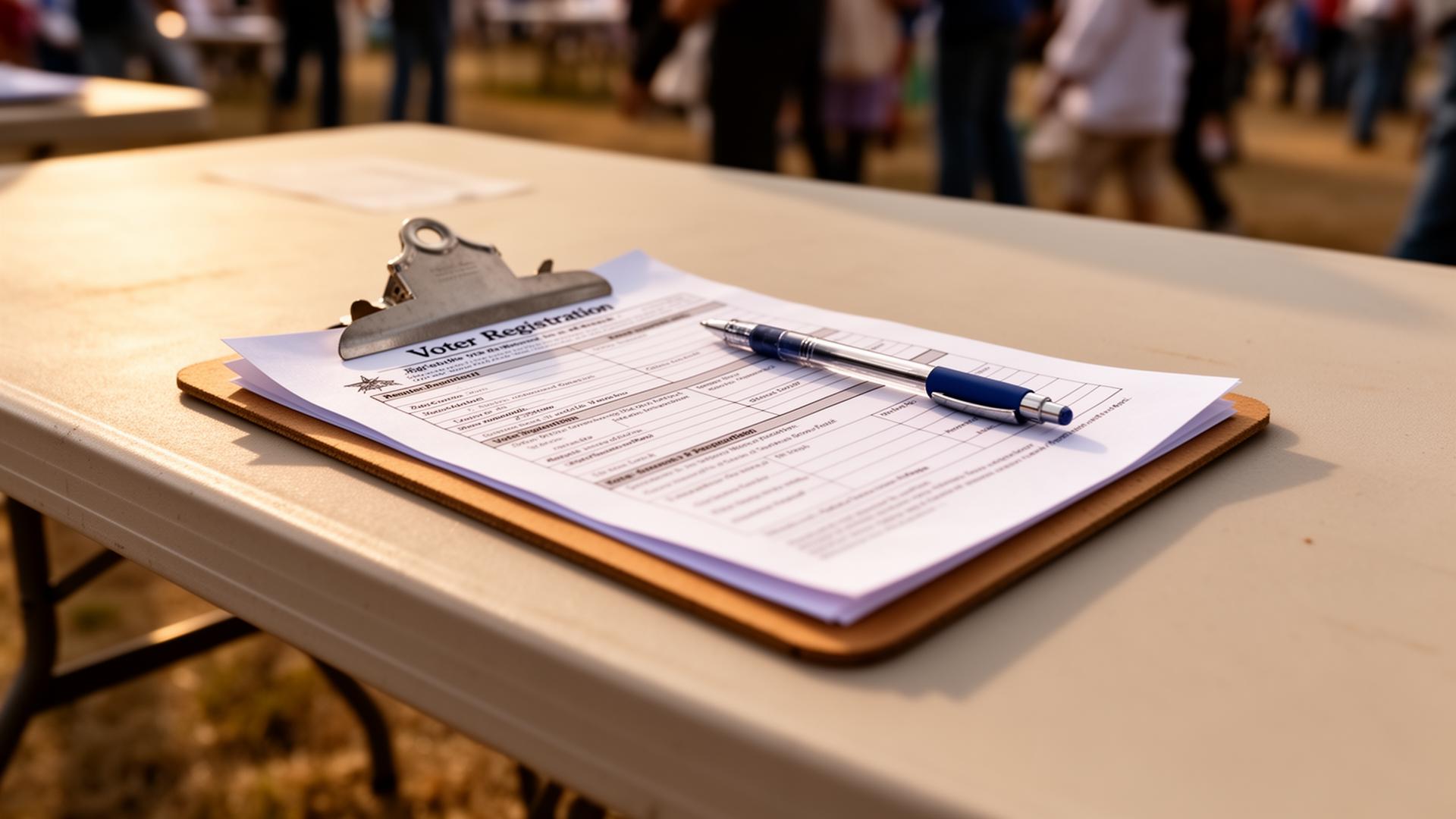
The 2026 Voter Contact Playbook: Targeting Beats Volume
Every cycle, campaigns spend millions on voter contact programs that don't move numbers. They knock every door, text every phone, and mail every household in the district — then wonder why their polling didn't budge. The problem isn't effort. It's strategy.
The Volume Trap
There's a seductive logic to volume-based voter contact: more touches must equal more votes. But political science and field experience tell a different story. Most voter contacts are wasted on people who were already going to vote for you, already committed to your opponent, or so disengaged that no amount of contact will bring them to the polls.
The campaigns that win close races don't out-contact their opponents. They out-target them.
Building a Data-Driven Contact Program
At Leon Strategies, every voter contact program starts with the same question: Who are the specific voters that will decide this race, and what message will move them? Everything else flows from the answer.
1. Define the Win Number
Before a single door is knocked, we calculate the exact number of votes needed to win. This isn't a guess — it's a mathematical model built on turnout projections, historical data, and district-level analysis. Every decision in the campaign ladders up to this number.
2. Build the Persuasion Universe
Not every voter is worth contacting. We segment the voter file into four buckets:
Hard supporters — Bank their votes through turnout contact. Don't waste persuasion resources here.
Hard opposition — Ignore them. Contacting them can actually increase opposition turnout.
Low-propensity supporters — Mobilization targets. These voters agree with you but might not show up. The contact program here is about when and how to vote, not why.
Persuadable voters — This is where races are won. These voters are gettable but need a reason. The contact program here is message-heavy and multi-touch.
3. Match the Channel to the Voter
Different voters respond to different channels. A 65-year-old rancher in rural Texas isn't going to be moved by a peer-to-peer text. A 30-year-old suburban mom isn't reading her direct mail. We build channel mixes based on voter demographics and engagement patterns:
Direct Mail — Still the most trusted channel for older voters and high-propensity primary voters. Design and message quality matter enormously.
P2P Texting — Best for younger voters, mobilization targets, and rapid-response messaging. Keep it conversational, not corporate.
Digital Advertising — Excellent for frequency and reach among online-active demographics. Use for reinforcement, not persuasion.
Canvassing — The highest-conversion channel, but the most resource-intensive. Reserve for your most persuadable precincts.
4. Measure Everything
Every contact is tracked. Every response is logged. Mid-campaign, we analyze which precincts are converting, which messages are landing, and where resources should shift. This isn't post-election analysis — it's real-time optimization.
The Discipline Gap
The difference between winning and losing campaigns usually isn't resources or talent. It's discipline. The losing campaign pivots its message every week based on the latest Twitter controversy. The winning campaign stays locked on its core message, trusts its data, and executes the plan.
At Leon Strategies, we've built voter contact programs for 100+ campaigns — from South Texas to West Texas, from state legislative races to statewide efforts. The playbook evolves, but the principles don't: know your win number, target ruthlessly, message precisely, and measure everything.
Ready to Build Your Program?
If you're running in 2026 and you don't have a data-driven voter contact plan yet, you're already behind. Contact Leon Strategies to start building your path to victory.